DIY & Crafts
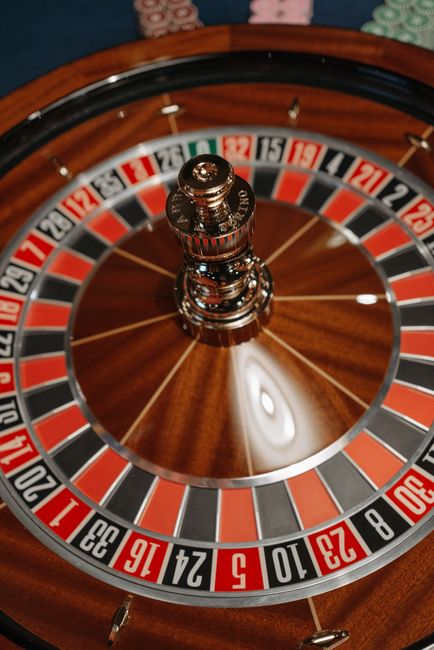
Two players log into the same casino site on a Friday night. One deposits $50, opens a slot machine, and has doubled it within four minutes. The other sits at a $1/$2 no-limit hold'em table for six hours and books a $38 profit. Ask either of them who had the better evening and you'll get completely different answers — and that's the most honest snapshot of the iGaming world you'll ever get. Slots and poker live under the same roof, but they are not remotely the same animal, and pretending otherwise is how players end up frustrated, broke, or both.
Here's the thing most casual players never internalize: slots are a house game, and poker is a player-versus-player game. That single distinction changes everything about how you should approach each one. สล็อต covers this in more detail.
When you spin a slot, you are not competing against anyone. The reels don't care who you are, how much you've lost, or whether you're due for a win. Every spin is an independent event governed by a random number generator, and the machine's return-to-player percentage — usually somewhere between 92% and 97% on modern video slots, though some high-volatility titles dip into the 88% range — determines the average outcome over millions of spins. Play long enough and the math grinds you down. There's no skill lever to pull.
Poker flips that. You're not fighting the casino; you're paying the casino a small fee (the rake) to sit at a table where you compete against other humans. Win rate is no longer fixed, it's earned. A strong player at a soft $1/$2 table can realistically book 5 to 10 big blinds per hour over the long run. A weak player loses at roughly the same rate. The house gets its cut either way, but the money you win comes out of your opponent's pocket, not the casino's vault.
If you enjoy slots, fine — millions do, and there's nothing wrong with that. But go in with clear eyes. The single most important number on any slot is its volatility, and most players never check it.
A low-volatility slot pays small amounts frequently. You'll grind for hours and rarely hit a huge score. A high-volatility slot, like many of the Megaways or "ways to win" titles, can go 200 spins without a meaningful pay, then dump 500x your stake in a single bonus round. Neither is "better" — but they demand different bankrolls. Sitting at a high-volatility game with 40 spins' worth of balance is asking for a bust. Serious slot players budget 200 to 300 spins minimum for those games.
A few concrete habits that separate disciplined slot players from the ones chasing losses at 3 a.m.:
Poker rewards patience in a way slots never will. A winning player folds far more hands than they play — in a typical full-ring game, you might enter only 15-20% of pots. That means most of your evening is folding, watching, and taking mental notes on who's bluffing too often and who only bets when they have the goods.
Bankroll management is non-negotiable here. The old conventional wisdom says you need at least 20 buy-ins for the stakes you play, and that's a bare minimum for cash games. If you play $1/$2 with a $200 buy-in, you want a $4,000 roll before you sit down. For tournaments, the requirement is even stricter — think 50 to 100 buy-ins because of how top-heavy the payout structures are.
Where do you actually find an edge? Three places, mostly:
It's worth mentioning because it sits right alongside slots and poker in most modern iGaming lobbies, and it lures a lot of people in with the illusion of expertise. Yes, you can know football better than your neighbor. No, that doesn't automatically beat a 4.5% vig. The bookmaker's line is a consensus of sharp money and sophisticated models, and consistently beating it requires genuine analytical work — closing line value, market inefficiencies, arbitrage, that sort of thing. Casual "I have a feeling about this game" betting is functionally identical to a slot spin with extra steps and a slower payout.
Ask yourself what you actually want from a session.
If you want entertainment, dopamine, and the possibility — not probability — of a big score, slots deliver that efficiently. Just accept that the expected value is negative and treat the money as the cost of the entertainment. That's a perfectly rational way to spend an evening.
If you want to test yourself, apply strategy, and have a shot at actually winning over time, poker is where it's at. But understand that "over time" means thousands of hands, not one Saturday. Variance in poker is brutal in the short run — you can play perfectly and lose for weeks.
What you should never do is mix up the two mindsets. Slot players who start thinking "the machine owes me" are in trouble. Poker players who start treating each hand like a lottery ticket are in the same boat. The games reward completely different disciplines.
iGaming gets sold as one big blurry blob — casino, sportsbook, poker room, all the same flashing buttons. It isn't. Each vertical has its own math, its own skill ceiling, and its own way of quietly draining players who don't understand which one they're sitting in. The people who enjoy this space for years rather than weeks are the ones who picked a lane, learned its rules cold, and stopped pretending luck was going to bail them out. Know the edge you're playing against. Respect the variance. Set the limits before you deposit, not after. Do that and you can actually have fun with this stuff instead of becoming another cautionary tale in a forum thread.
