Botanical Decor
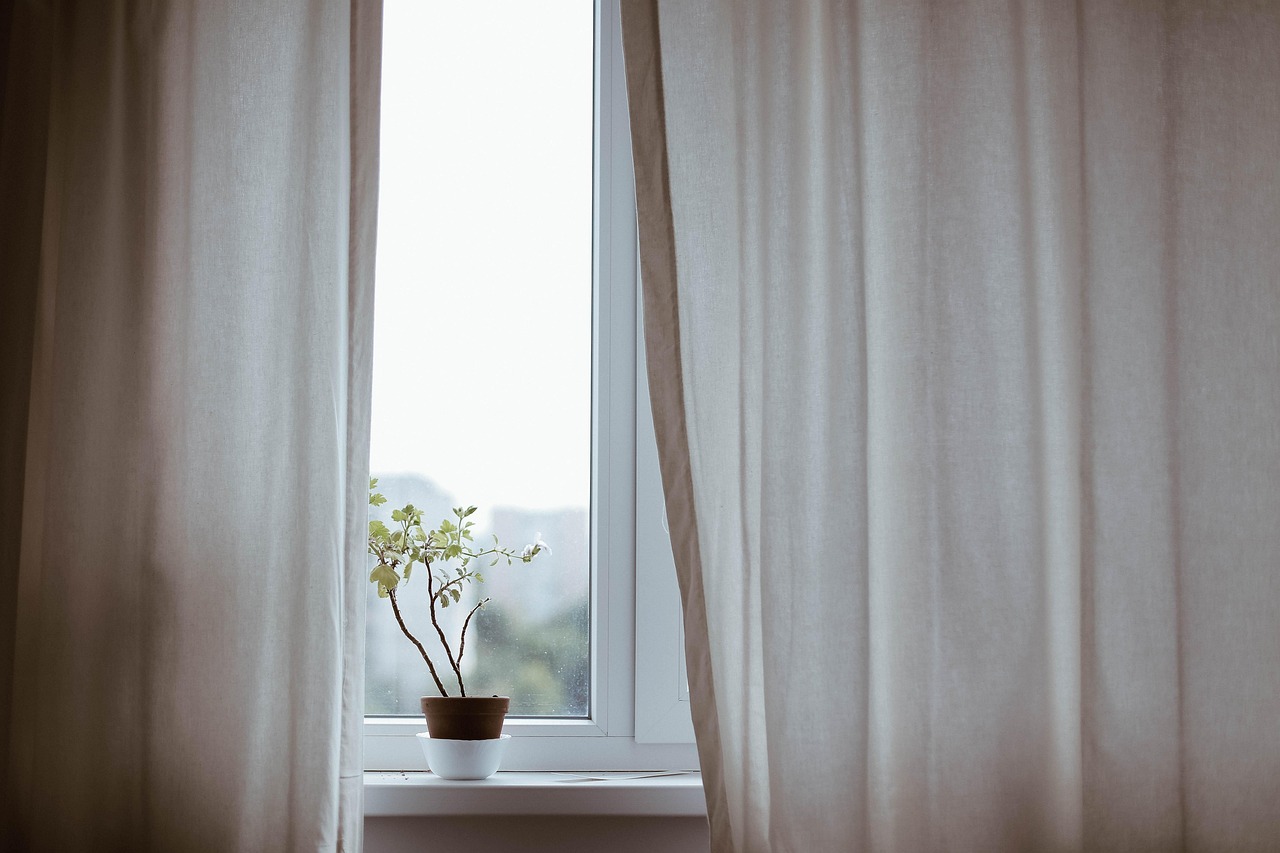
There is a difference between owning plants and styling them. A collection of houseplants scattered randomly can feel chaotic, while the same plants arranged with intention can transform a room into a lush, layered retreat. The art of the indoor jungle is not about having the most plants — it is about using them to create depth, texture, and a sense of place.
Whether you have five plants or fifty, a few design principles can help you style them like a professional.
The most beautiful plant displays feel natural, but they are rarely accidental. The key is layering. Start with a tall floor plant to anchor the space. Then add a medium-sized plant on a side table or stool. Finish with a small trailing plant on a shelf or hanging basket.
This vertical layering mimics the way plants grow in nature, with tall trees, mid-level shrubs, and ground cover all coexisting. It also draws the eye upward and makes a room feel taller and more dynamic.
Vary the shapes of your plants as well. A round-leafed pilea next to a spiky snake plant next to a cascading pothos creates visual interest. Avoid grouping too many plants with the same leaf shape, which can look monotonous.
The pots you choose are as important as the plants themselves. A beautiful vessel can elevate even a common plant into a statement piece. Mix materials — terracotta, ceramic, stone, woven baskets — to add texture and warmth.
Consider the color palette of your room when choosing pots. Neutral tones like cream, sand, and charcoal are versatile and timeless. If you want a pop of color, choose one accent pot and let the rest stay muted.
Do not be afraid to repot plants into decorative containers, or to place a plain nursery pot inside a larger basket or cachepot. This gives you flexibility and makes watering easier.
Group plants in odd numbers — three, five, or seven — for a natural, balanced look. Place them close enough that their leaves almost touch, creating a sense of abundance, but not so close that air cannot circulate.
Finally, remember that your indoor jungle is a living thing. It will grow, change, and surprise you. Some plants will thrive, others will struggle, and that is part of the journey. The goal is not perfection but connection — a home that feels green, alive, and unmistakably yours.
