DIY & Crafts
I have a friend whose apartment is full of plants, and yet it feels strangely sterile. It took me a while to figure out why. The plants were healthy, the pots were clean, the light was good. But everything else in the room was plastic, metal, and glass. The plants were doing all the work of bringing nature in, and they were outnumbered.
That's when I started paying attention to materials. Not just what things look like, but what they're made of. And I realized that the most nature-inspired rooms aren't the ones with the most greenery — they're the ones where the surfaces, textures, and objects themselves feel like they came from the earth.
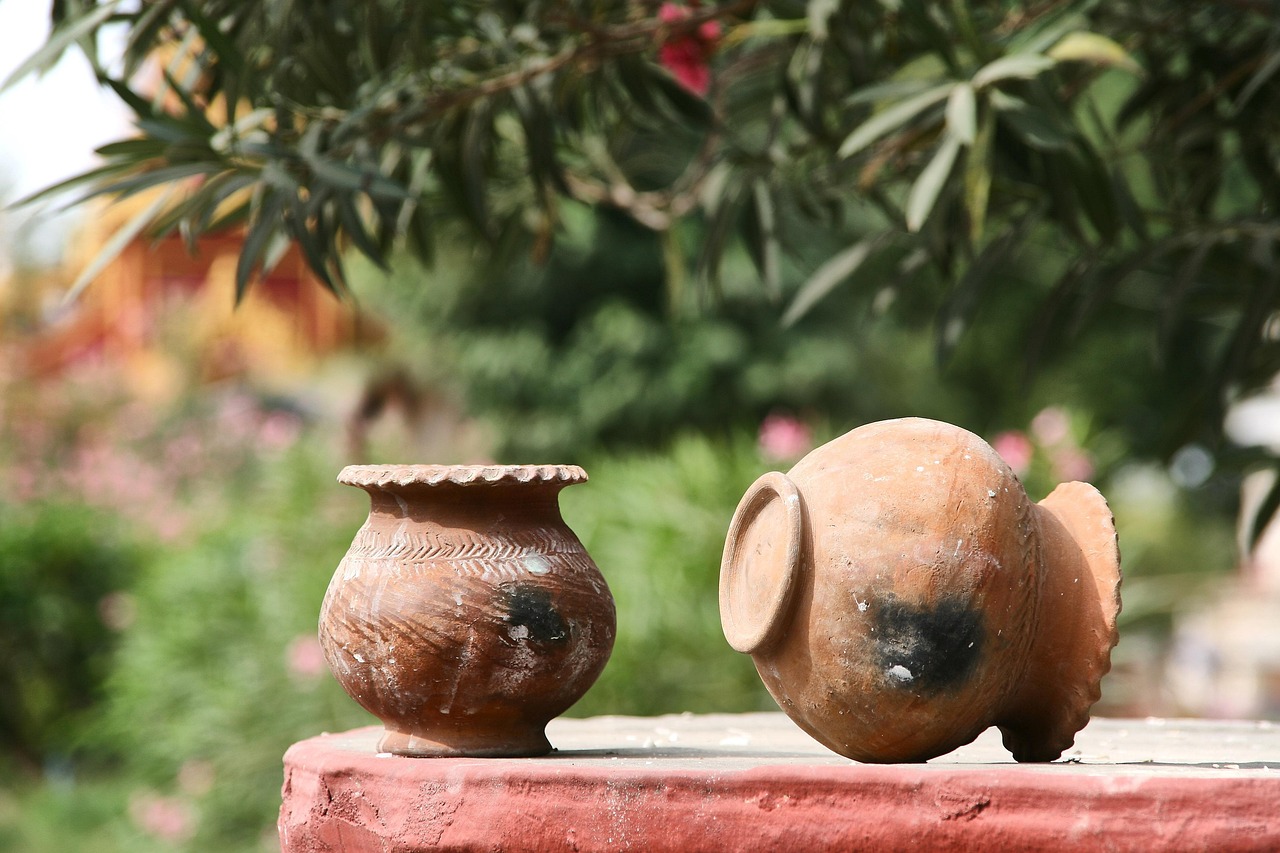
Terracotta is the classic example. Unglazed clay pots breathe, they age beautifully, and they have a warm, earthy color that makes green plants pop. But terracotta isn't just for planters. A terracotta tray, a terracotta lamp base, even a terracotta tile backsplash can bring that same grounded feeling to a space.
Linen is another one. It's made from flax, it wrinkles, it softens with every wash, and it has a subtle, natural texture that synthetic fabrics can't replicate. Linen curtains, linen throw pillows, a linen table runner — these small touches make a room feel lived-in and organic rather than polished and cold.
And then there's wood. Not the shiny, veneered kind, but the real thing. A raw-edged shelf, a wooden bowl, a stool with visible grain. Wood brings warmth and history. Every knot and grain line is a record of a tree's life. When you touch it, you're touching something that was once alive.
Other materials worth seeking out: wool, rattan, jute, stone, beeswax, cork, bamboo. They all have that same quality of being unmistakably from the natural world. They age. They change. They tell a story.
The trick to using natural materials is restraint. If you fill a room with every earthy texture you can find, it can start to feel like a craft fair. The goal is balance — a few key pieces that anchor the space, surrounded by quieter, more neutral elements.
Start with one or two materials and build from there. A terracotta pot collection on a wooden shelf. A linen sofa with a wool throw. A rattan chair next to a stone side table. Let each material have its moment. And don't be afraid to mix finishes — a rough, unglazed pot next to a smooth, polished stone creates a lovely tension.
Color matters too. Natural materials tend to come in a narrow, harmonious palette: clay, sand, bark, moss, stone. These colors almost always work together, which makes decorating easier. You're not fighting the rainbow — you're working within a family of tones that already belong together.
The best part about choosing natural materials is that they get better with time. Terracotta develops a patina. Linen gets softer. Wood deepens in color. Unlike synthetic materials that look tired after a few years, natural materials wear their age like a badge of honor.
You don't have to replace everything at once. Start with one thing — a wooden cutting board, a linen napkin, a terracotta saucer under your favorite plant. Notice how it feels. Notice how it changes the room. Then add another. Before long, your home will feel less like a showroom and more like a living, breathing extension of the natural world.
