Botanical Home Decor
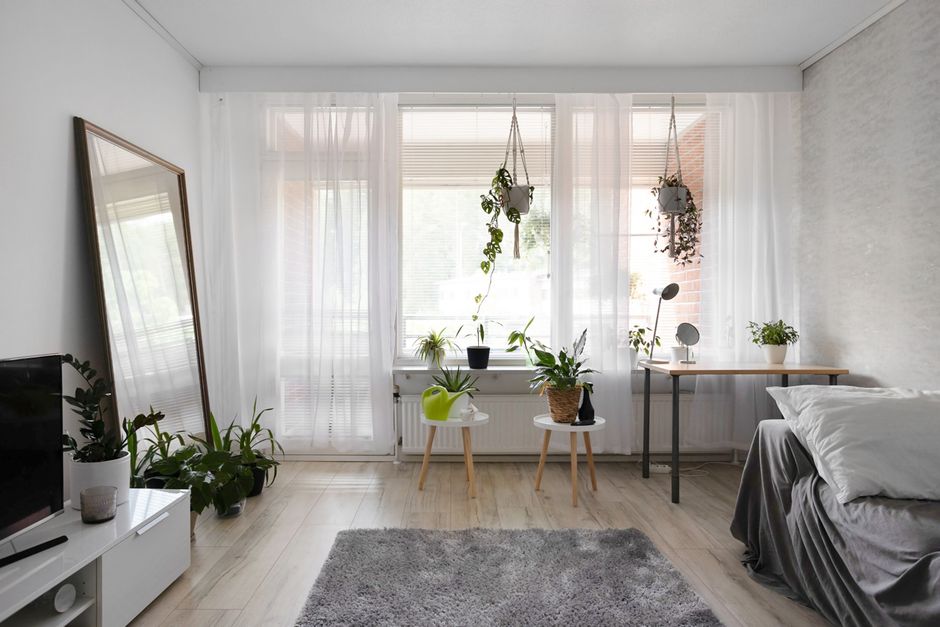
There is something quietly transformative about walking into a room that feels alive. Not just tidy or stylish, but genuinely alive — leaves catching the light, a woven basket on the floor, the faint scent of eucalyptus drifting from a shelf. Botanical home decor is less a design trend and more a way of living, one that invites the outdoors to become a gentle companion inside your walls.
The good news is that you do not need a greenhouse, a designer budget, or a green thumb to begin. You need curiosity, a few forgiving plants, and an eye for the textures and tones that already exist in nature.
If you are new to houseplants, choose varieties that tolerate a bit of neglect. Pothos, snake plants, ZZ plants, and philodendrons are wonderfully resilient and look beautiful in almost any setting. Place one on a windowsill that receives soft, indirect light, or tuck a trailing pothos onto a high shelf so its vines can cascade downward like a living curtain.
Group plants in clusters of three to create visual weight. A tall floor plant, a medium tabletop variety, and a small trailing plant make a natural trio. Vary the heights and leaf shapes so the arrangement feels collected rather than uniform. Remember that most houseplants prefer bright, indirect light — a spot near a window but out of harsh midday sun is usually ideal.
Watering is where beginners often stumble. Rather than sticking to a rigid schedule, check the soil with your finger. If the top inch or two feels dry, it is likely time to water. Overwatering is far more common than underwatering, so when in doubt, wait a day.
Plants are the heart of botanical decor, but the supporting cast matters just as much. Think about the materials that surround you: linen, jute, rattan, raw wood, stone, and clay. These textures echo the natural world and soften the hard edges of modern rooms.
Swap a plastic plant pot for a terracotta or ceramic one. Drape a woven throw over the arm of a chair. Add a wooden bowl to your coffee table, or a stone tray beneath a cluster of small plants. Even a simple change like switching to linen curtains can make a room feel more grounded and organic.
Color matters too. Earthy greens, warm browns, soft creams, and muted terracottas create a palette that feels calm and cohesive. You can introduce a single accent — perhaps a deep forest green cushion or a rust-colored vase — to add interest without overwhelming the space.
Finally, do not forget dried elements. A bundle of dried eucalyptus in a tall vase, a few pampas stems, or a garland of dried flowers can bring botanical beauty to rooms where living plants struggle, such as dim bathrooms or basements. They last for months and require nothing but occasional dusting.
Botanical decor is not about perfection. It is about creating a home that breathes, that feels connected to the seasons, and that reminds you — even on the busiest days — of the quiet, steady rhythm of the natural world.
