Botanical Home Decor
There's a corner in my bedroom that I almost didn't know what to do with. It gets soft, indirect light. It's too small for a chair. Too awkward for a shelf. For months it held a laundry basket and a sense of neglect. Then I started thinking about what I actually wanted from that space: not storage, not display, but calm.
That's how the zen corner was born. Not a full Japanese garden, not a minimalist shrine — just a small, deliberate arrangement of natural elements that asks nothing of me except that I pause when I walk by. It's become my favorite spot in the house, and it cost almost nothing to create.
The foundation of a zen corner is texture. You want things that feel good to look at and, ideally, good to touch. Moss is perfect for this — a tray of preserved moss, a moss ball, or a small moss-covered rock brings an instant softness that contrasts beautifully with harder materials.
Stone is the counterpoint. A smooth river rock, a piece of slate, a small stack of flat stones. These add weight and stillness. They don't move, they don't need water, they just are. In a zen context, that's the whole point.
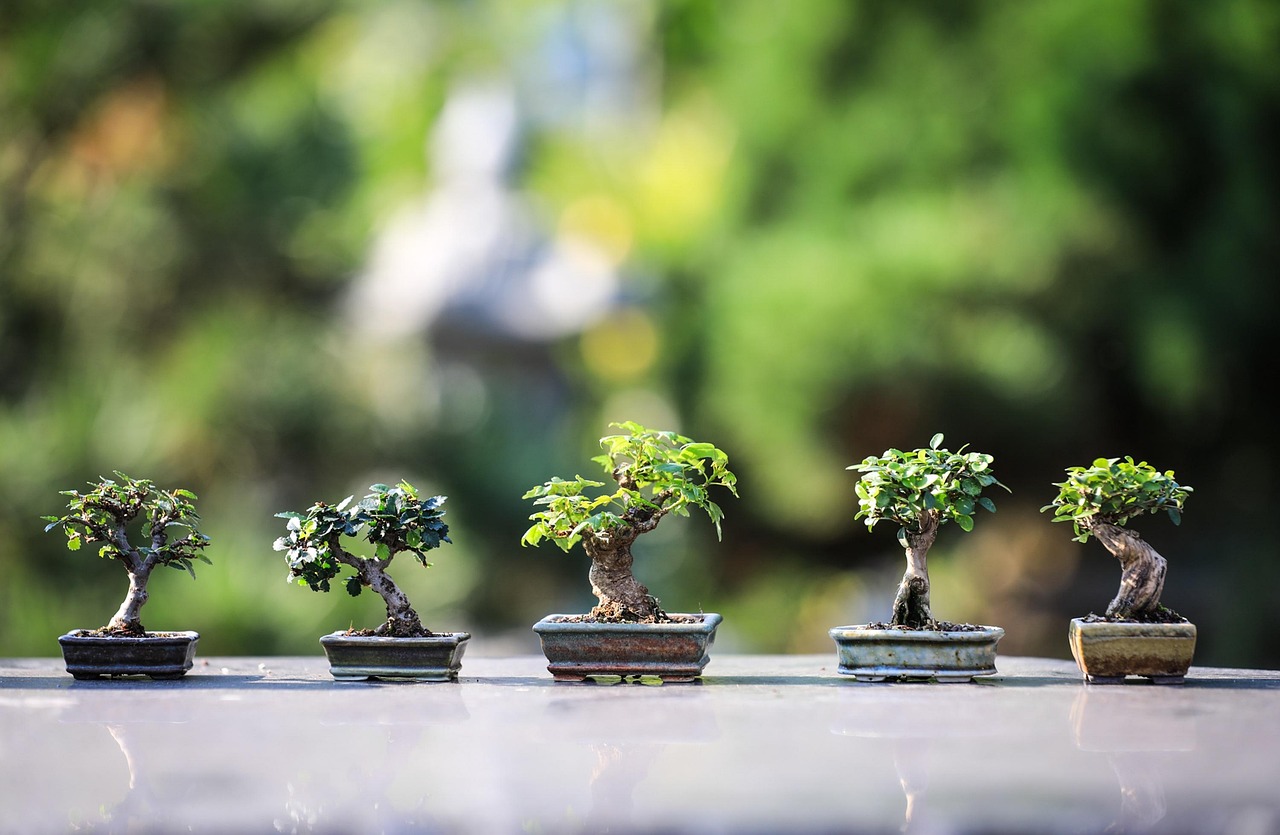
Then add something living. A single plant — a small fern, a snake plant, a bonsai if you're feeling ambitious — gives the arrangement a focal point and a reason to return. It doesn't need to be rare or expensive. A $4 pothos cutting in a glass of water can be just as meditative as a hundred-dollar specimen.
You can also layer in other natural touches: a shallow bowl of water, a few dried seed pods, a piece of driftwood, a small candle. The goal is a composition that feels like a miniature landscape — something you could imagine shrinking down and walking through.
The biggest mistake people make with zen-inspired decor is trying too hard. A zen corner shouldn't look styled. It should look found. That means asymmetry, negative space, and a little bit of imperfection.
Start with a low tray or a shallow wooden box. This gives your arrangement a boundary, which actually makes it feel more expansive — the eye knows where to rest. Place your largest element off-center. Add your moss and stones around it, leaving gaps. Don't fill every inch. The empty space is as important as the objects.
Light matters here. A zen corner in harsh, direct sun feels harsh. A corner in soft, filtered light feels like a retreat. If your only option is a bright spot, use a sheer curtain or a frosted glass shade to soften the light.
And finally, keep it low-maintenance. This isn't a space that should demand your attention. Water the plant when it needs it. Dust the stones occasionally. Otherwise, let it be. The whole point of a zen corner is that it gives you something without asking for much in return.
Mine has a small fern, three river stones, a piece of driftwood I found on a beach years ago, and a tiny brass bell that I ring sometimes when I'm feeling scattered. It's not fancy. It's not Instagram-perfect. But every time I walk past it, something in my shoulders drops half an inch. That's the real measure of a zen corner — not how it looks, but how it makes you feel.
